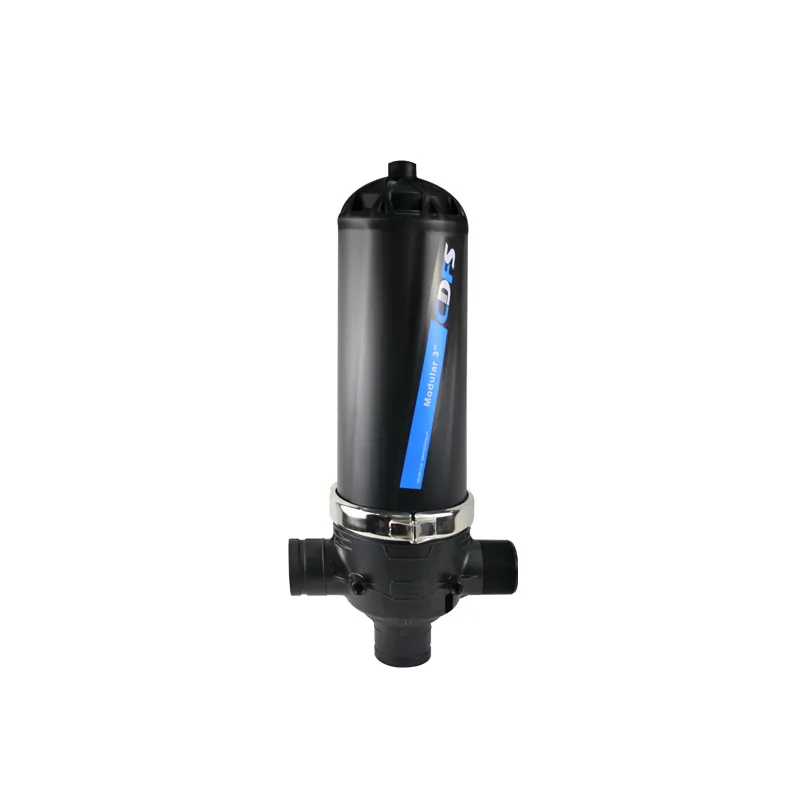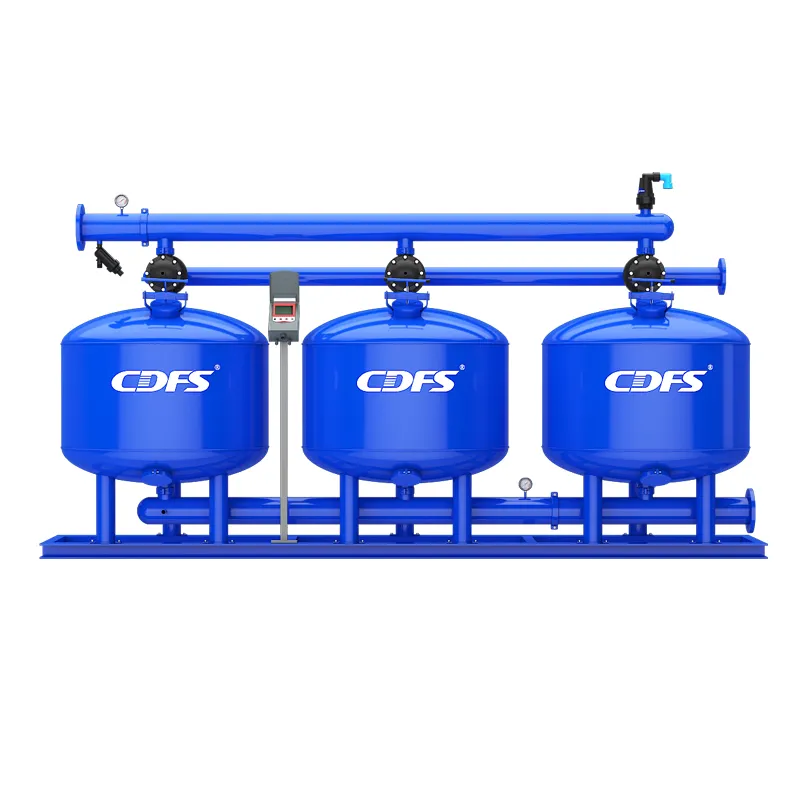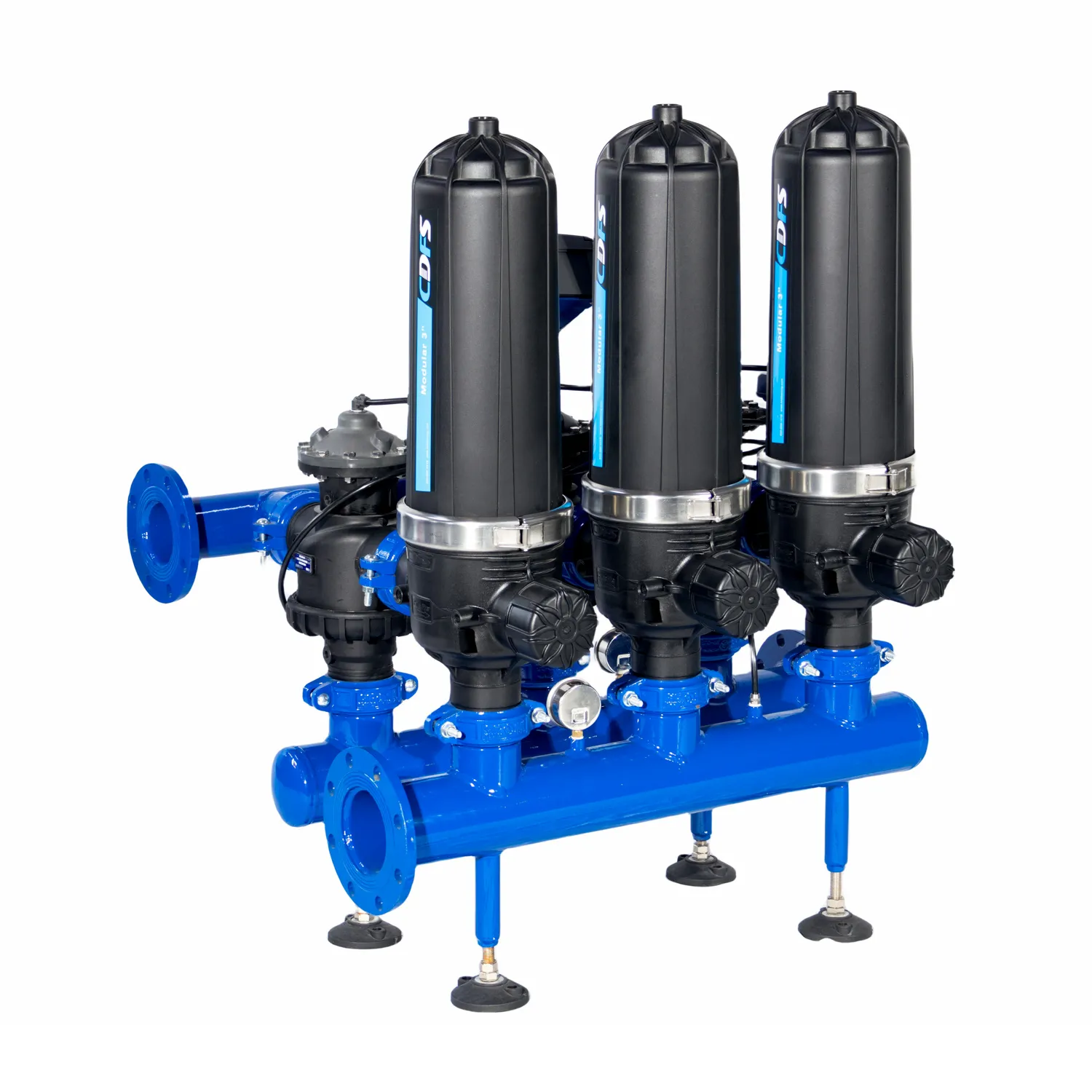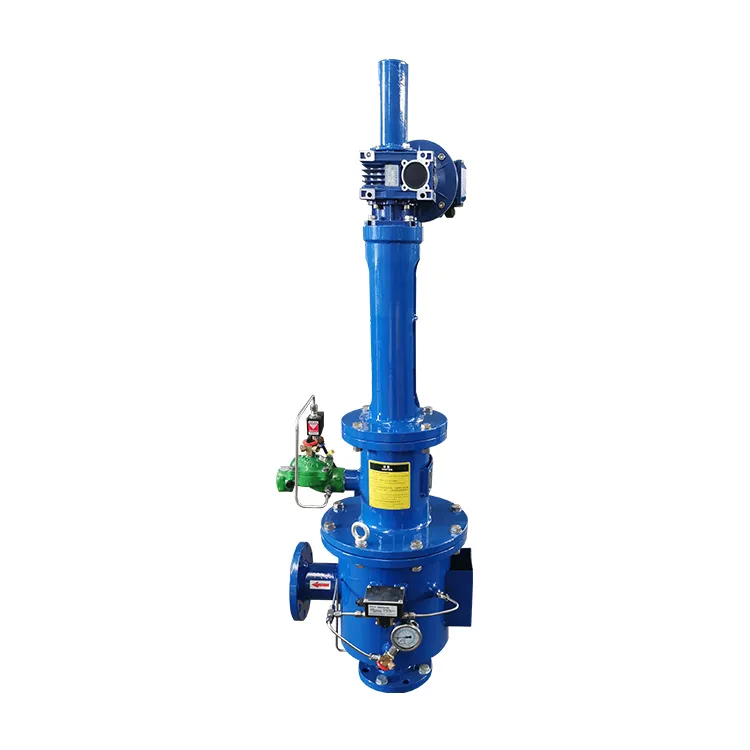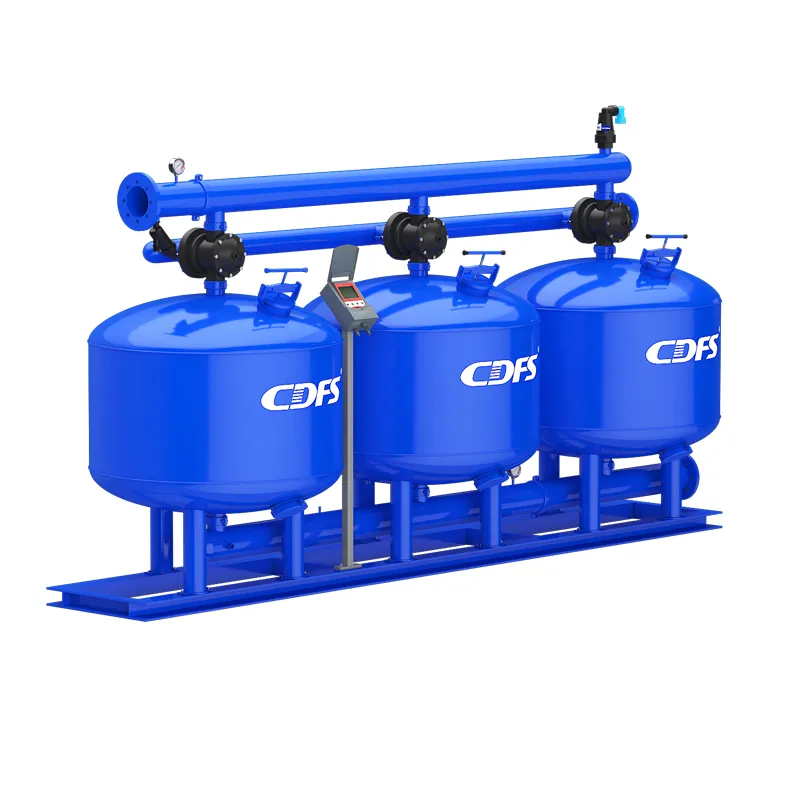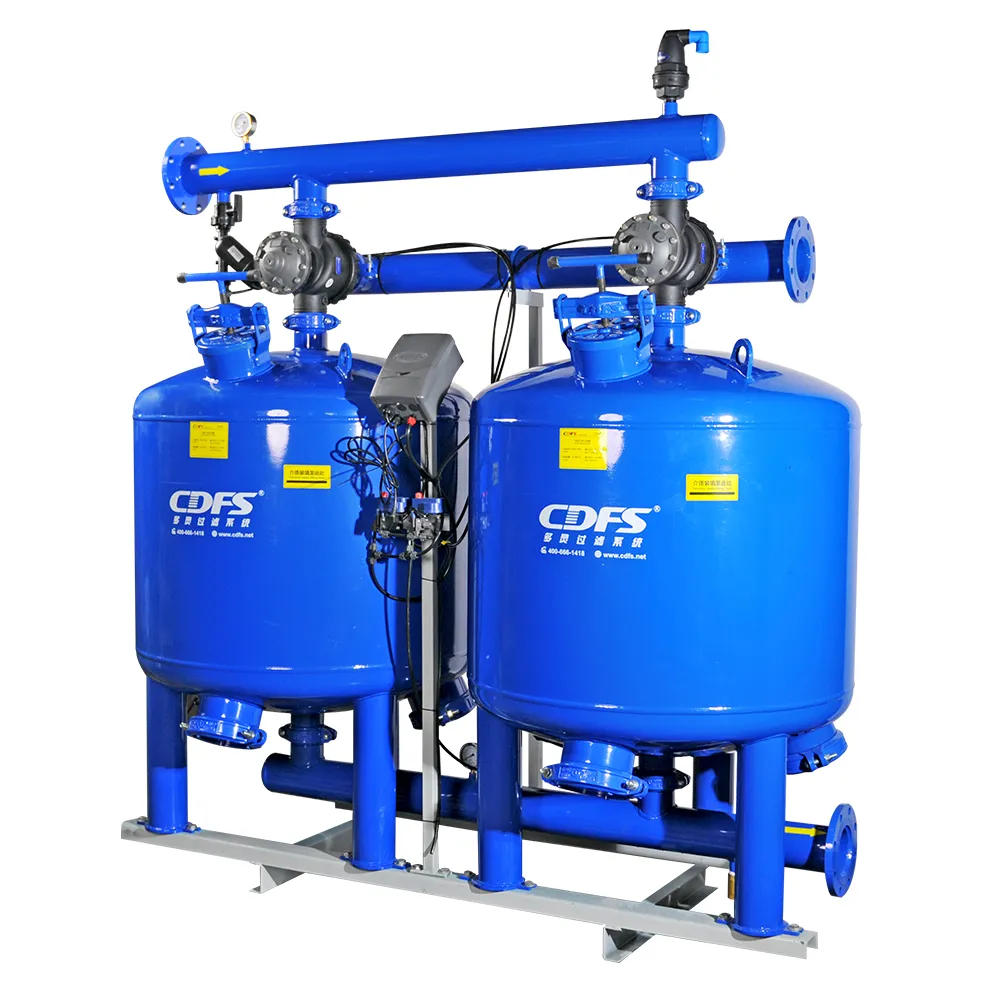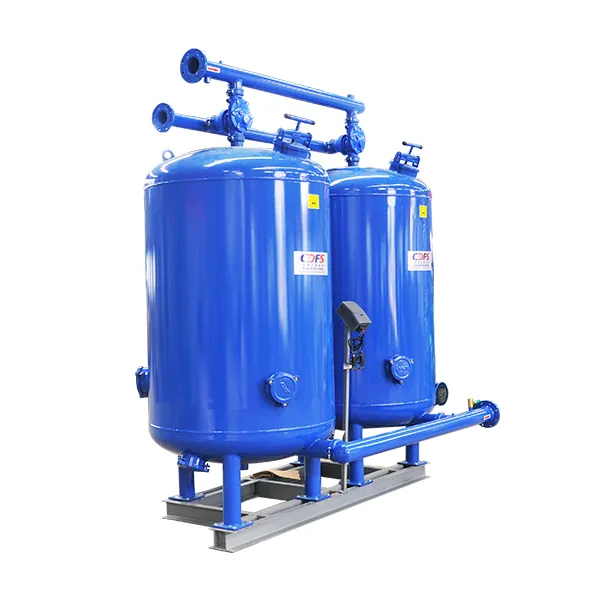
filtration system for irrigation contribute to better fertigation practices by ensuring that nutrients dissolved in irrigation water are evenly distributed without obstruction. This enhances nutrient uptake and soil absorption while preventing uneven fertilization. As a result, crops benefit from improved growth, and farmers achieve greater efficiency in fertilizer use.
A key feature of many filtration system for irrigation is their automatic backwash capability, which periodically cleans accumulated debris without interrupting irrigation schedules. This self-cleaning function reduces manual labor and prevents performance degradation caused by clogging. It is particularly beneficial for large-scale farms where continuous irrigation is essential, helping to sustain steady water flow and protect downstream equipment.
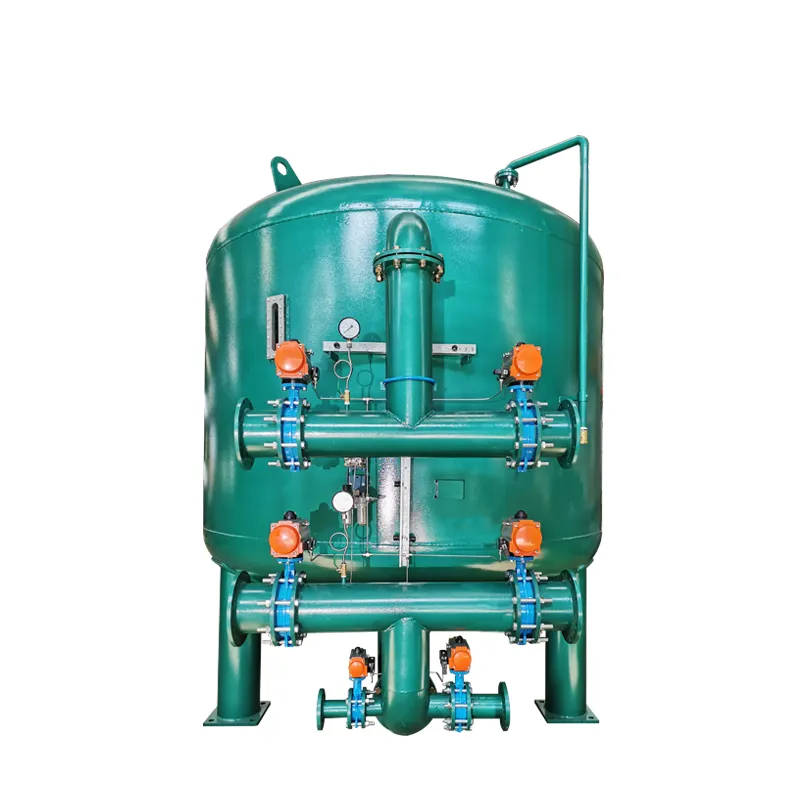
Q: What role does media size and layering play in the efficiency of irrigation filter? A: The size and layering of media within irrigation filter are critical for optimizing filtration. Larger media particles on top allow for effective removal of bigger debris, while finer particles below capture smaller suspended solids, resulting in comprehensive water purification. Q: How do irrigation filter compare to other filtration systems in terms of cost and maintenance? A: Irrigation filter generally offer a cost-effective solution with moderate maintenance requirements. Their backwashable design reduces the need for frequent media replacement, and their simplicity makes them easier to operate compared to more complex filtration technologies. Q: Are irrigation filter suitable for removing biological contaminants? A: While primarily designed to remove suspended solids, irrigation filter may also reduce some microorganisms attached to particles; however, biological treatment processes such as chlorination or UV treatment are usually required for thorough pathogen removal. Q: What operational parameters are important to monitor in irrigation filter? A: Key parameters include flow rate, pressure differential across the filter bed, and backwash frequency. Monitoring these helps maintain optimal filtration efficiency and prevents damage or clogging in the system. Q: How does water temperature affect the performance of irrigation filter? A: Water temperature can influence filtration efficiency and backwashing effectiveness. Extremely cold water may slow filtration rates and biological activity, while higher temperatures may increase rates but also affect media stability over time. Proper design accounts for expected temperature ranges.
Our water quality has improved thanks to this media filter. It removes fine particles and adsorbs contaminants, preventing scaling and protecting pipes.
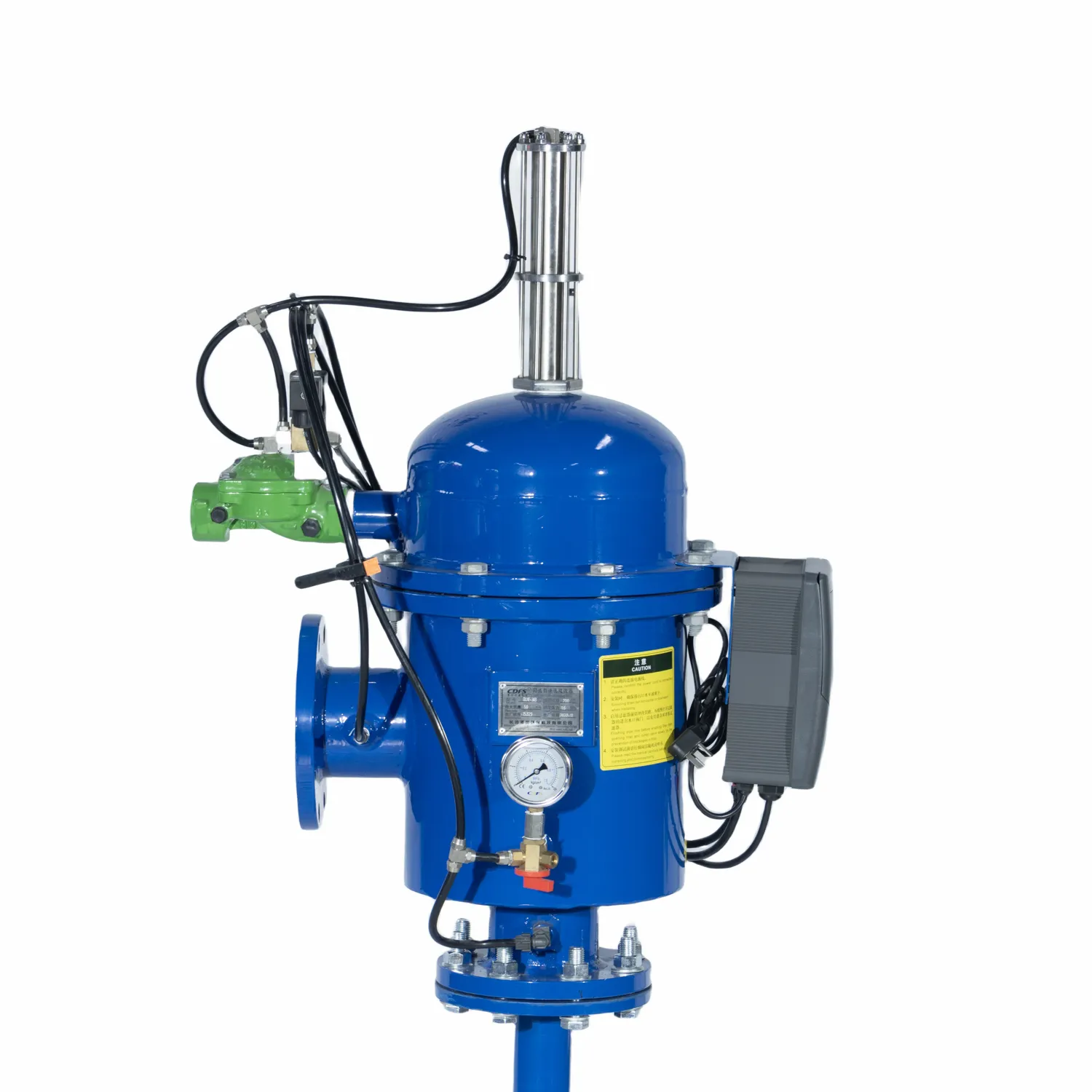
I like how this disc filter saves water and reduces manual cleaning effort. It’s well-made and reliable, ideal for our industrial circulating water system.
To protect the privacy of our buyers, only public service email domains like Gmail, Yahoo, and MSN will be displayed. Additionally, only a limited portion of the inquiry content will be shown.
Need fast shipping on 2 units of your automatic screen filter for a trial. What’s your lead time?



 EN
EN
 FR
FR
 NL
NL
 RU
RU
 AR
AR
 VI
VI
 LO
LO
 RO
RO
 TH
TH
 MY
MY
 MS
MS
 PT
PT
 ES
ES
 KO
KO
 BE
BE
 JA
JA
 FIL
FIL
 KA
KA
 DE
DE
 IT
IT