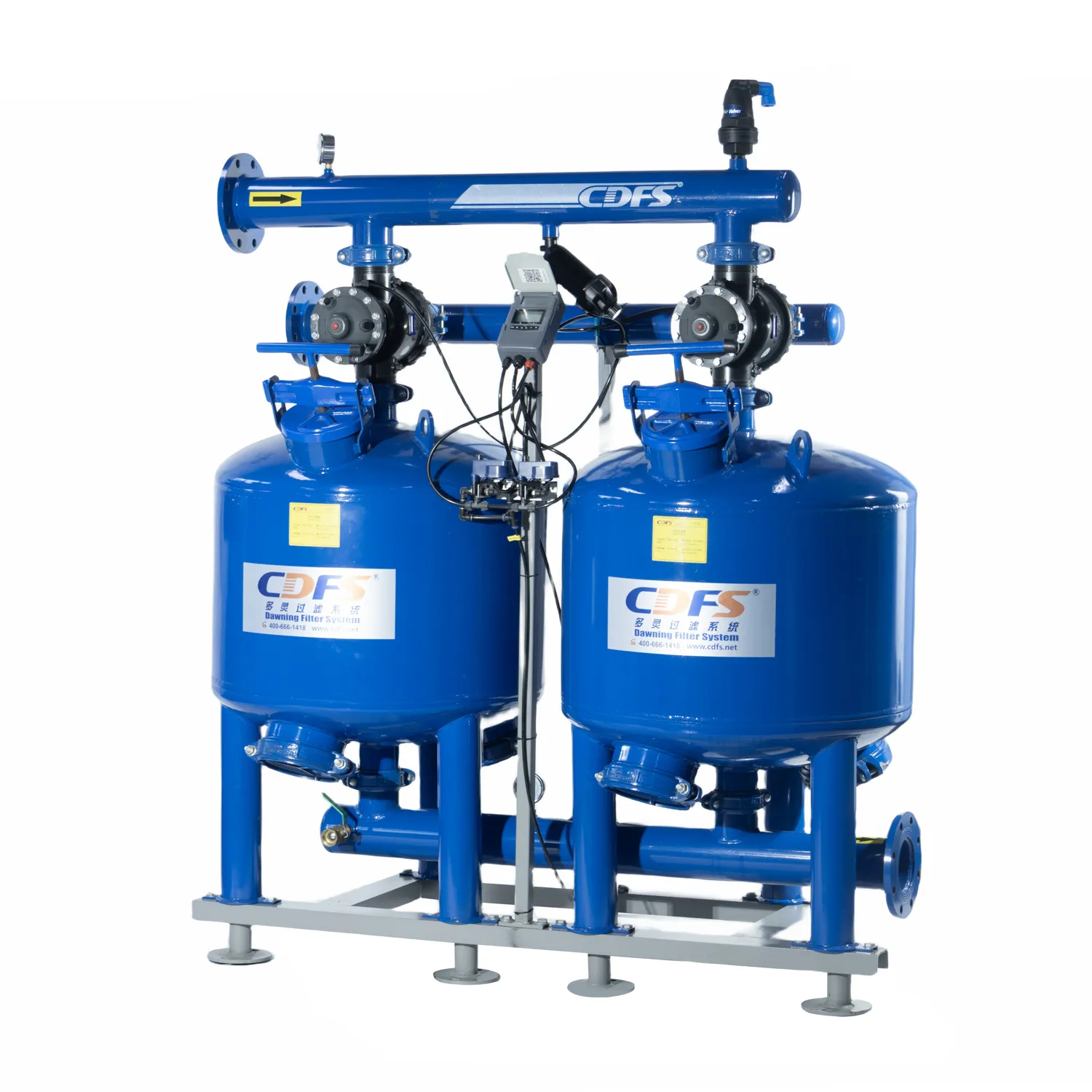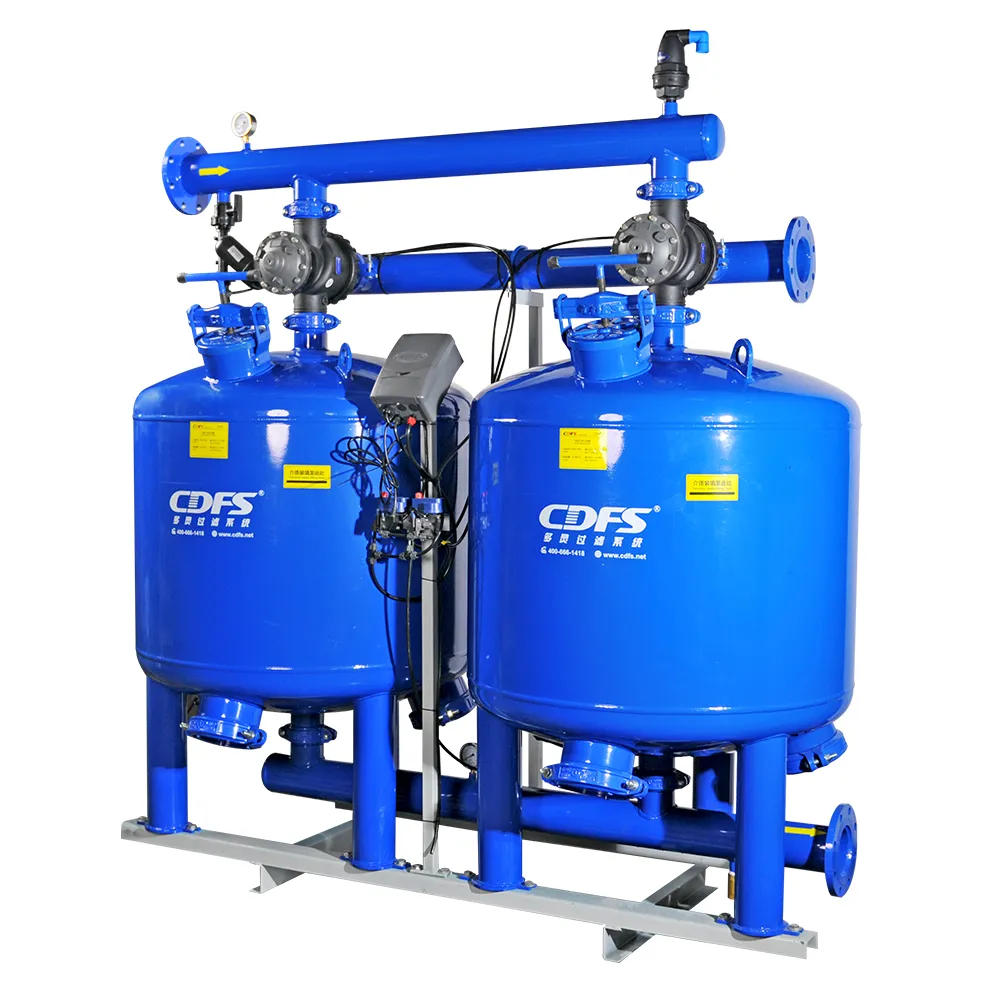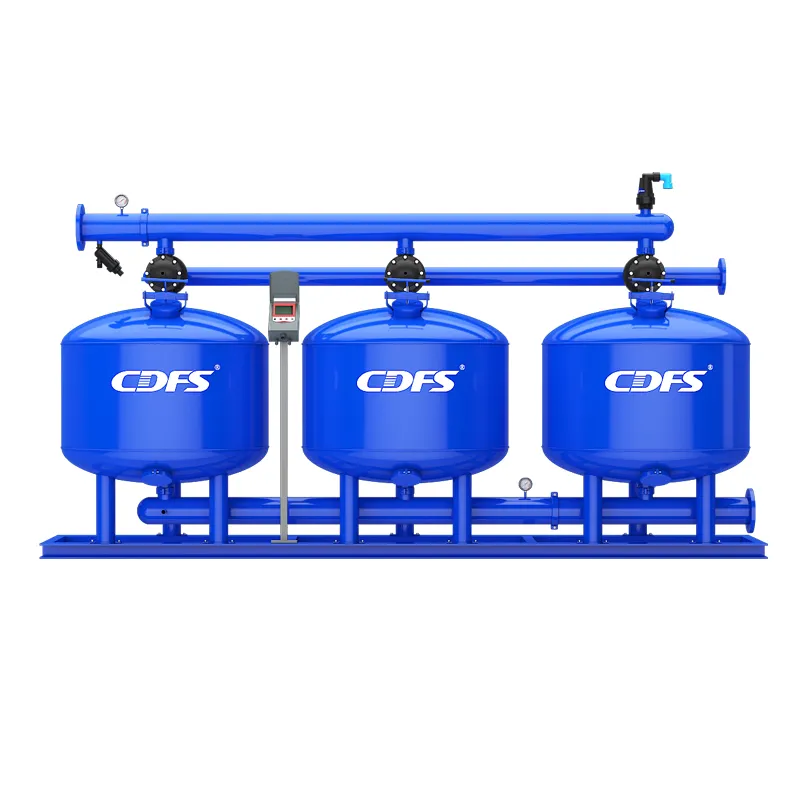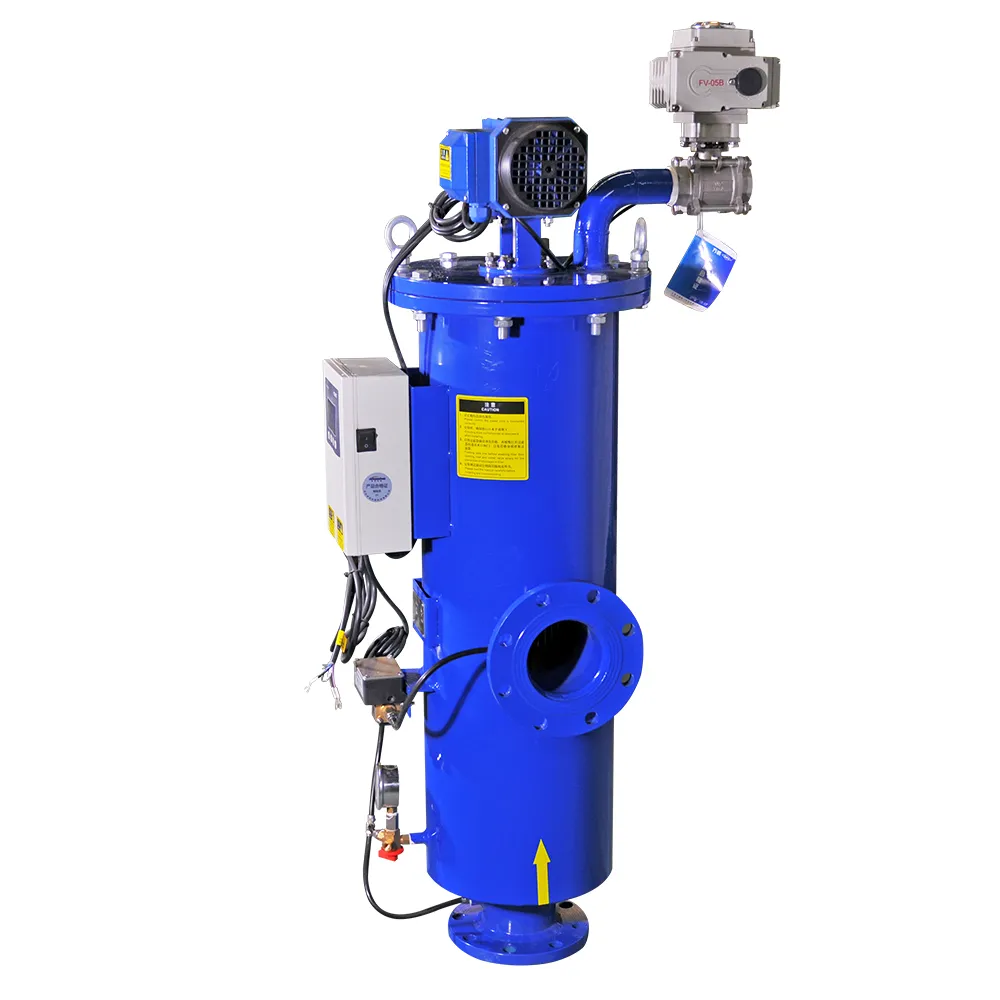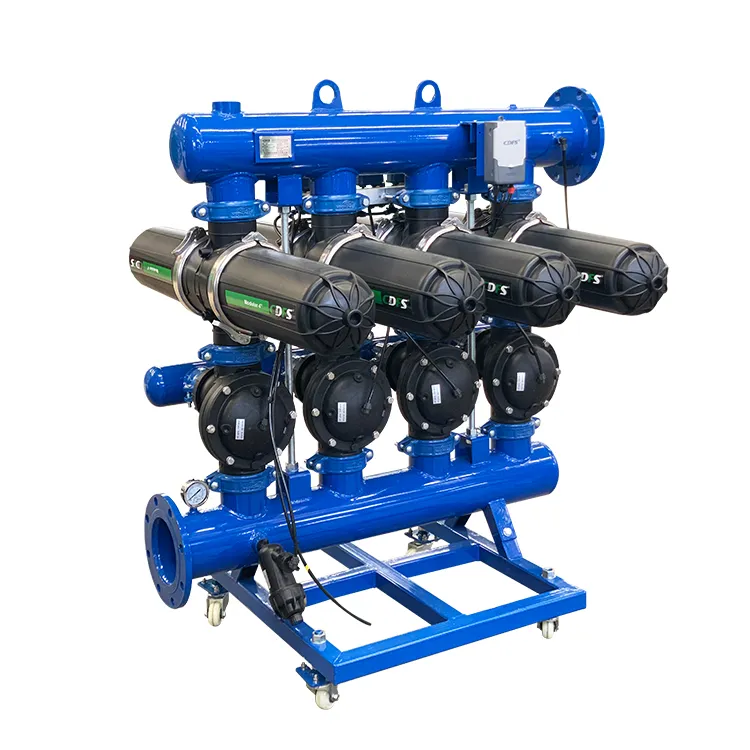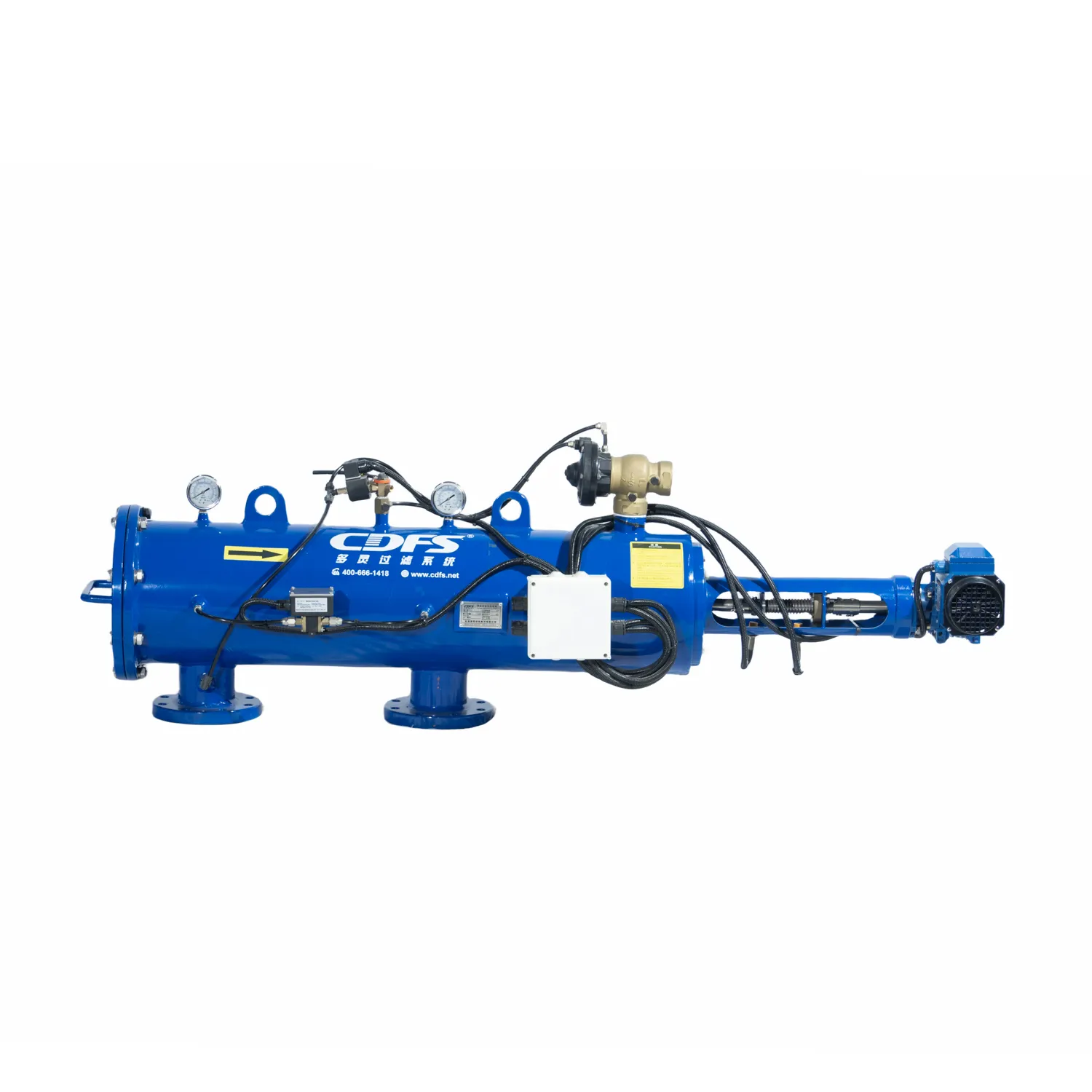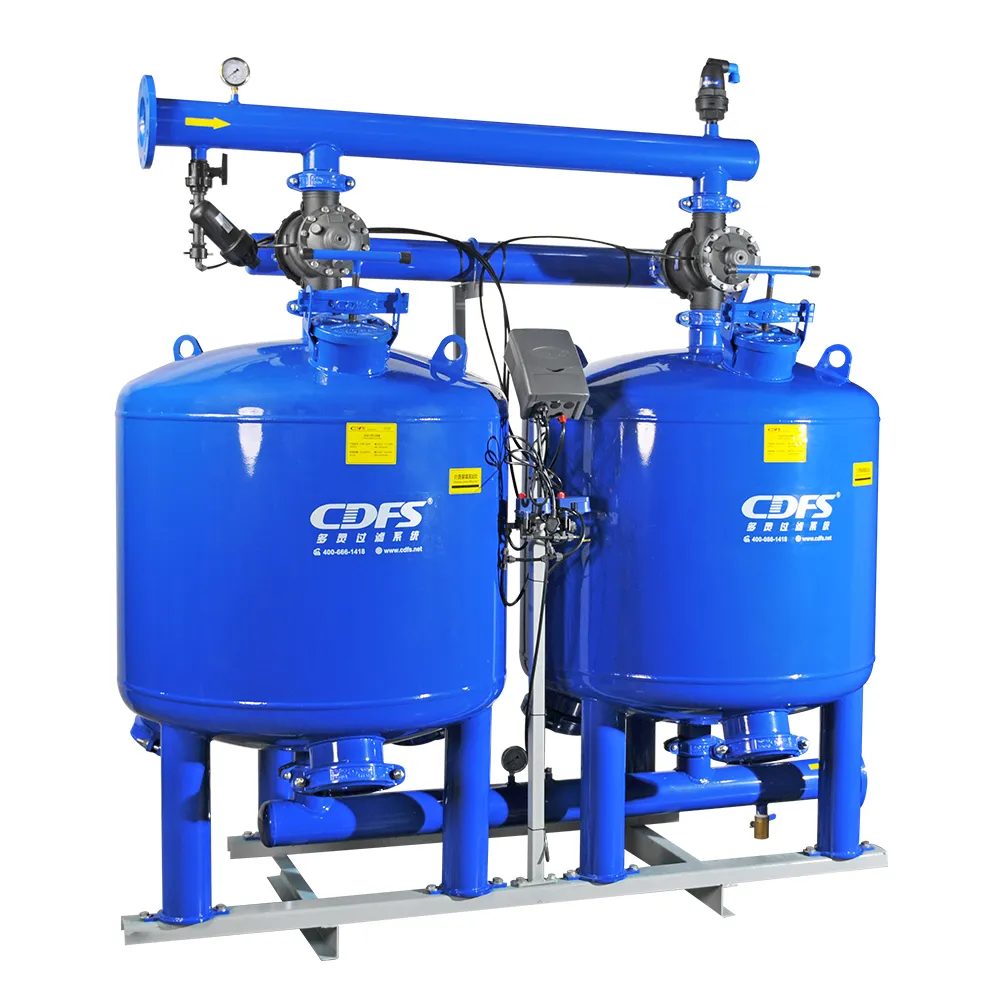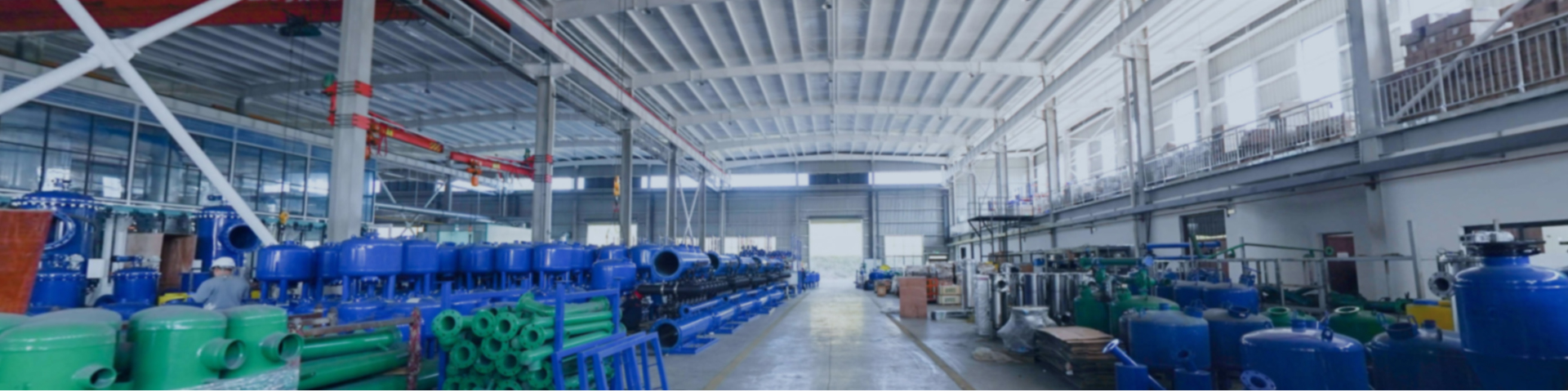
Versatility is a defining feature of irrigation water purifier, which are available in a range of sizes and filtration levels to suit various crops, climates, and irrigation methods. Whether used in row crops, orchards, vineyards, or greenhouses, these filters can be tailored to specific needs, offering effective solutions across diverse agricultural environments.
irrigation water purifier play a vital role in protecting expensive irrigation components, such as pumps and valves, from sediment-induced abrasion and blockages. By filtering contaminants before water reaches these parts, irrigation water purifier extend equipment lifespan, reduce repair costs, and improve overall system reliability, which is essential for maintaining efficient and cost-effective agricultural operations.
Q: What is the primary function of a irrigation filter? A: The main function of a irrigation filter is to remove debris, sand, silt, and other particles from irrigation water, ensuring clean water is delivered to crops or landscapes. This protects irrigation equipment and improves water distribution efficiency. Q: What types of contaminants can a irrigation filter remove? A: A irrigation filter can effectively filter out suspended solids such as organic matter, algae, sediment, and other particles that can clog irrigation systems and reduce their performance over time. Q: How often should a irrigation filter be cleaned or maintained? A: Maintenance depends on water quality and system usage, but generally, a irrigation filter should be inspected and cleaned regularly, with backwashing or manual flushing performed to maintain optimal filtration efficiency. Q: Are there different types of irrigation filter for different irrigation systems? A: Yes, there are various irrigation filter types such as screen filters, disc filters, and media filters, each suitable for different irrigation setups including drip, sprinkler, and pivot systems depending on the level of filtration needed. Q: Can a irrigation filter improve the lifespan of irrigation equipment? A: Absolutely. By filtering out harmful debris and particles, a irrigation filter reduces wear and tear on valves, emitters, and pipes, extending the service life of the entire irrigation system.
I’m impressed by how well this filter intercepts silt. It has significantly reduced maintenance costs and keeps the water clean without affecting pressure.
The multi-grade filtration is impressive. It effectively protects our irrigation pumps and improves water absorption by the plants.
To protect the privacy of our buyers, only public service email domains like Gmail, Yahoo, and MSN will be displayed. Additionally, only a limited portion of the inquiry content will be shown.
Do you have automatic screen filters with self-cleaning for high sediment wells? Looking for somethi...
Can your media filters handle 10-50 micron particles efficiently for industrial cooling water? Need ...



 EN
EN
 FR
FR
 NL
NL
 RU
RU
 AR
AR
 VI
VI
 LO
LO
 RO
RO
 TH
TH
 MY
MY
 MS
MS
 PT
PT
 ES
ES
 KO
KO
 BE
BE
 JA
JA
 FIL
FIL
 KA
KA
 DE
DE
 IT
IT