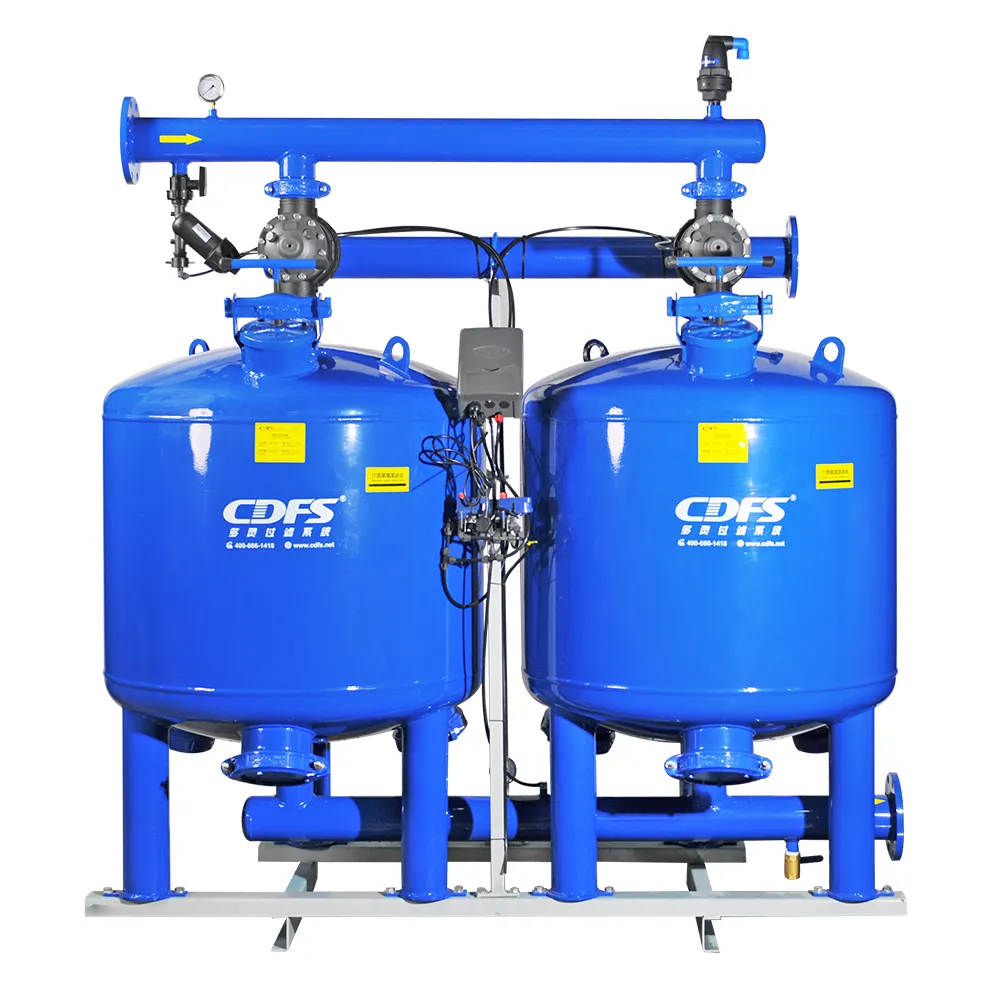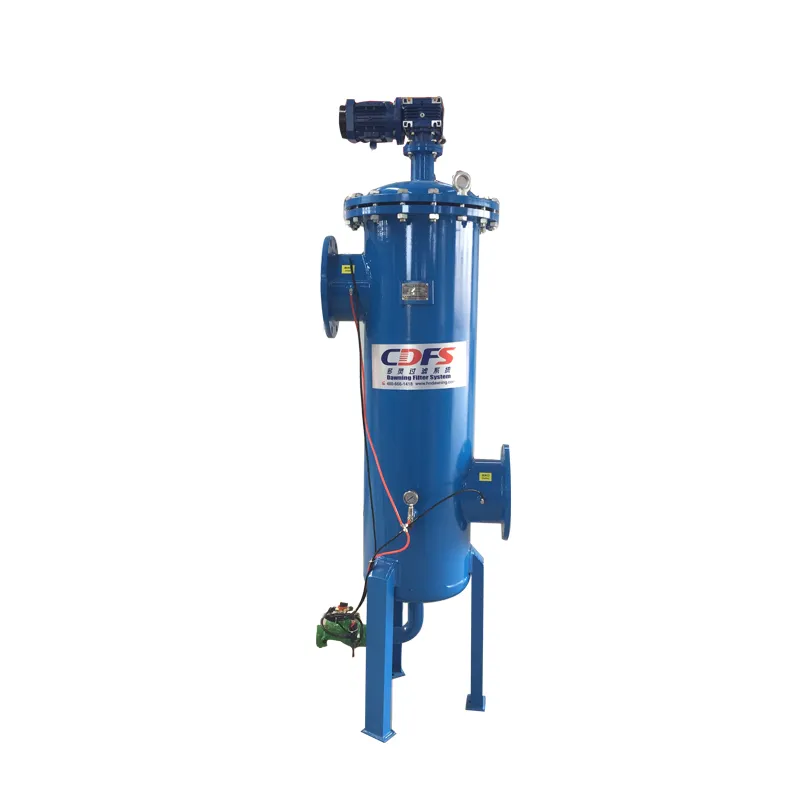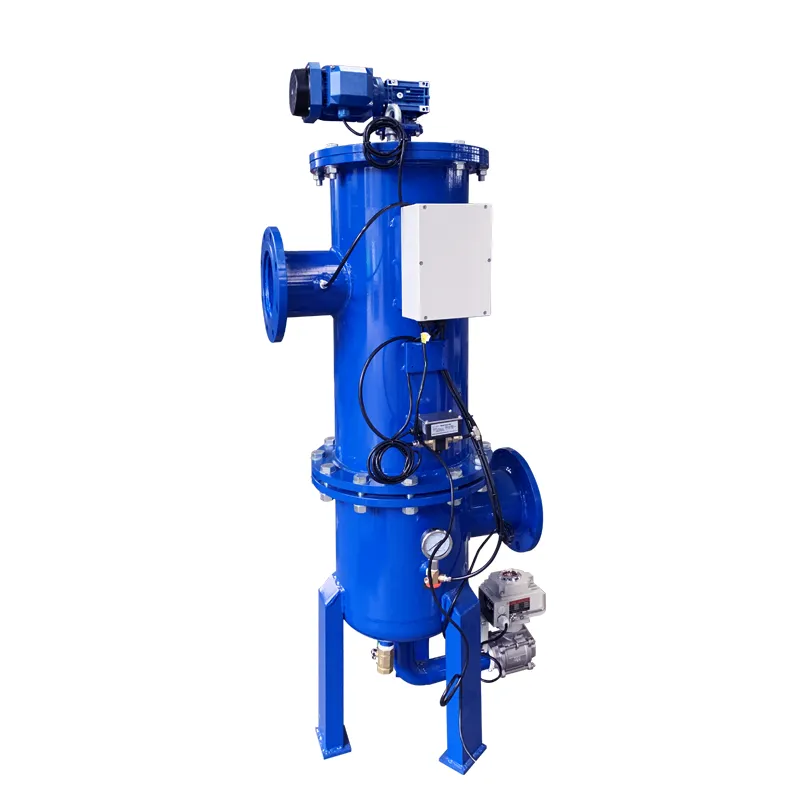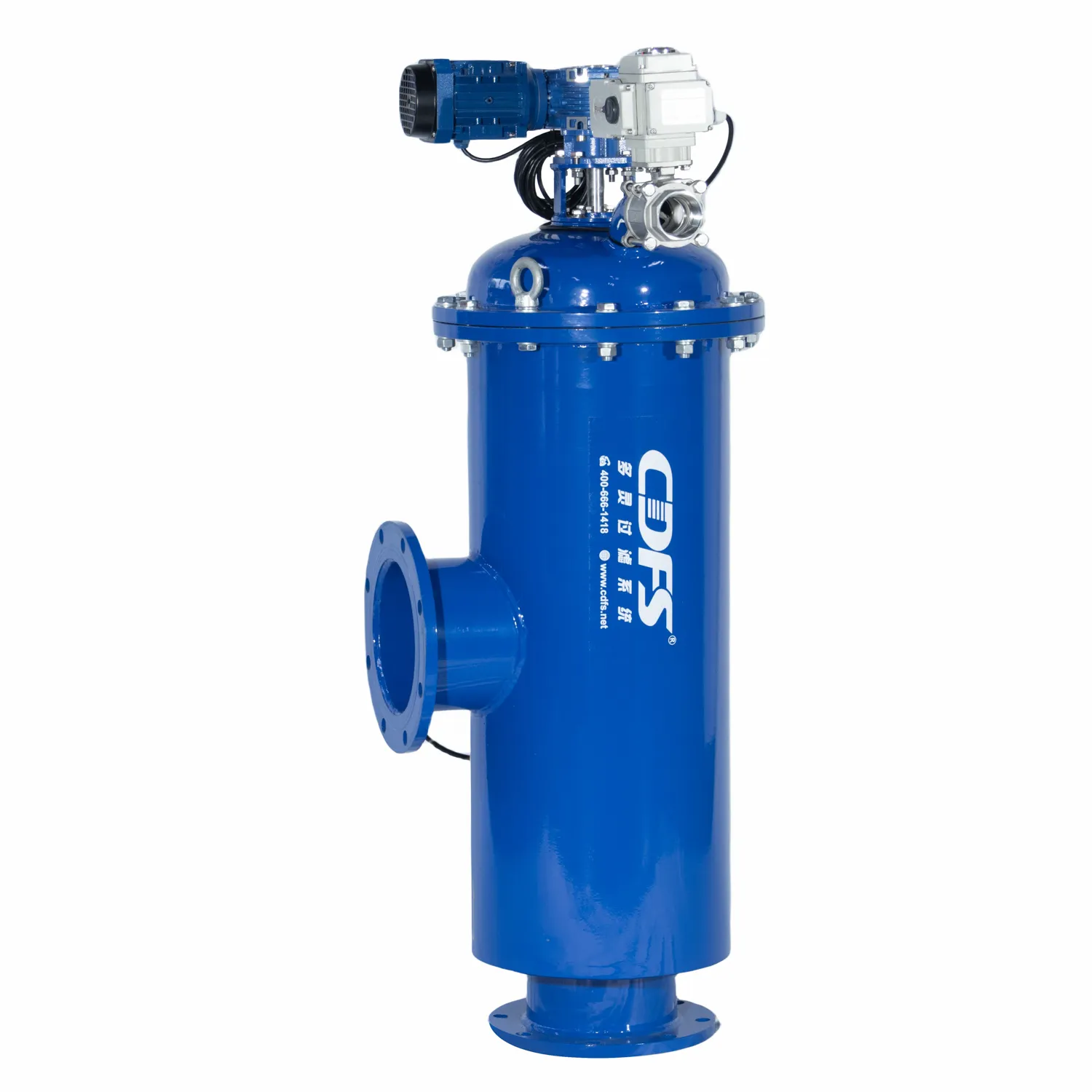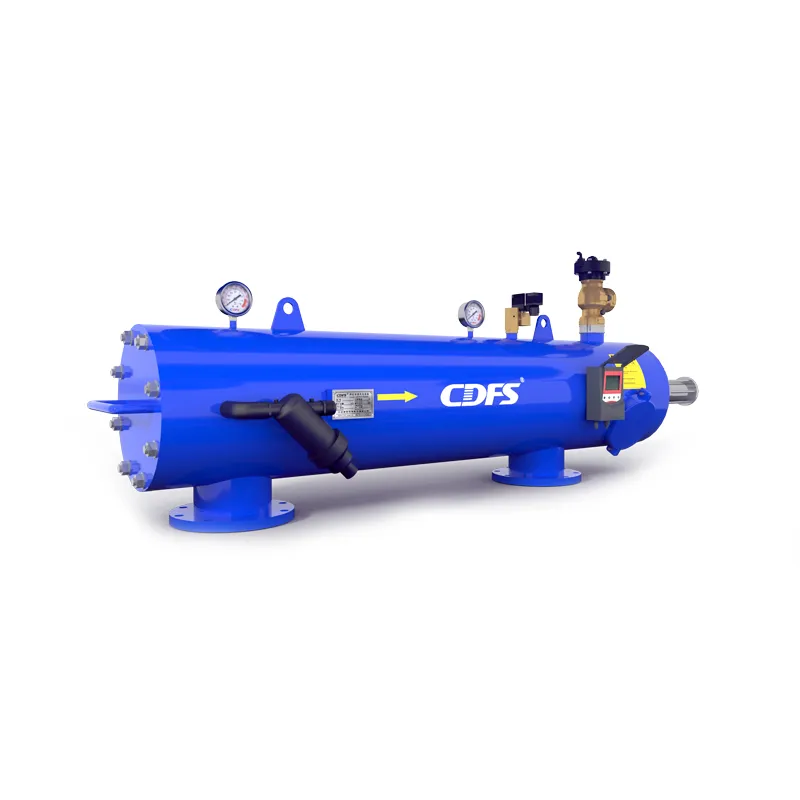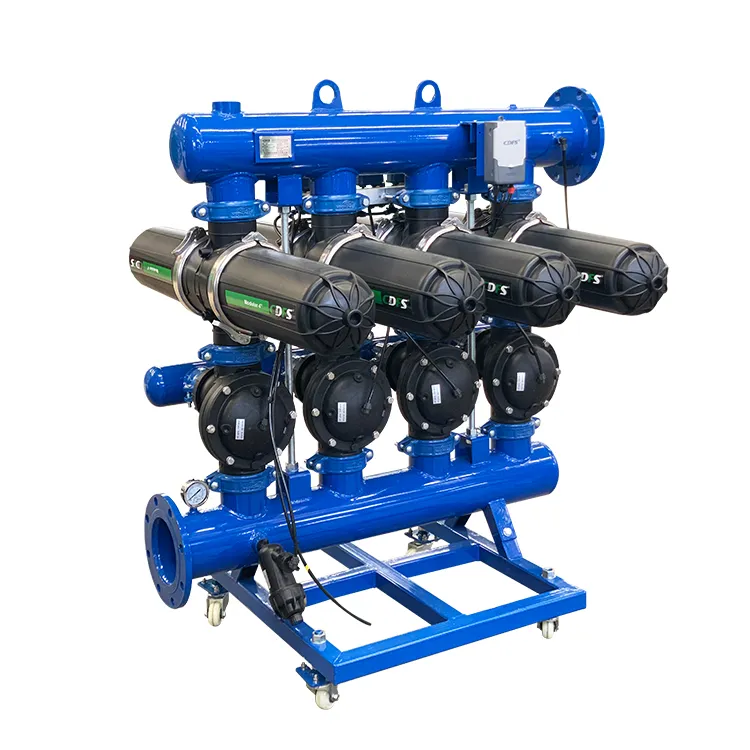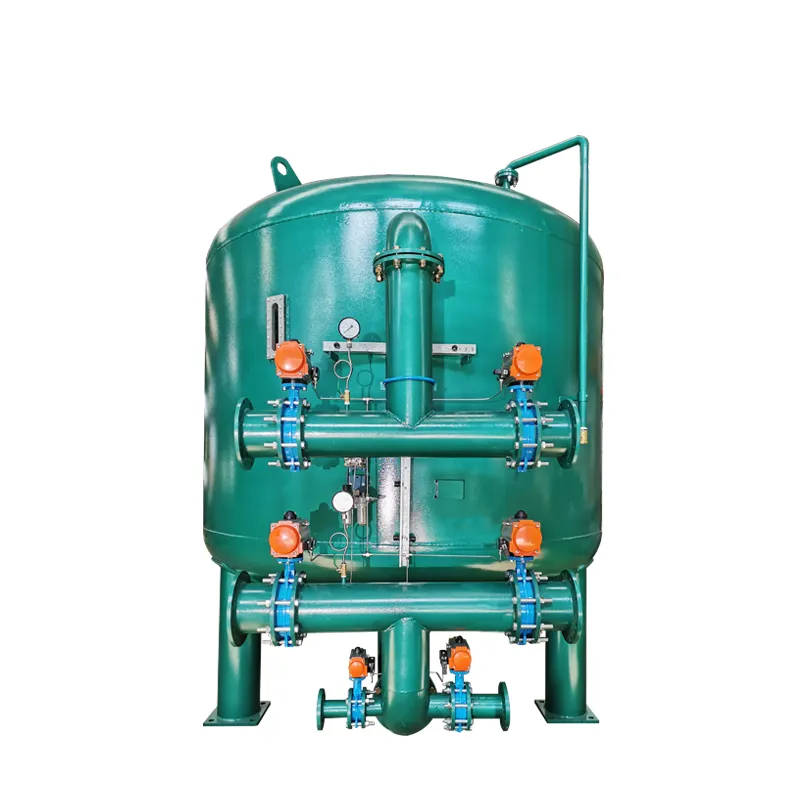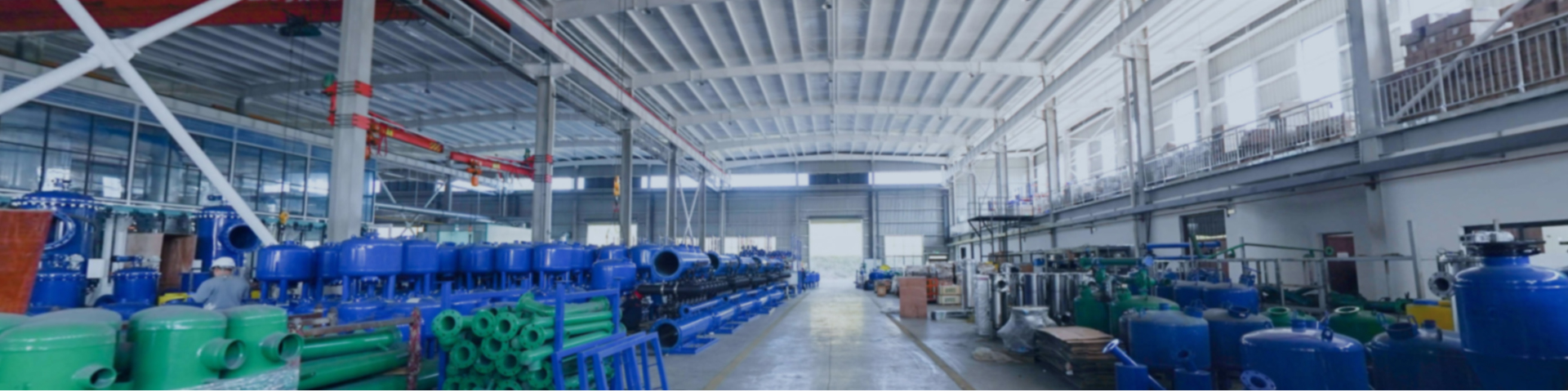
The factory environment of a screen filtration for farming factory supports stringent safety protocols to protect workers and maintain uninterrupted production. Safe handling of heavy machinery and metal components prevents accidents that could disrupt manufacturing schedules. By prioritizing employee well-being, the factory sustains consistent output of automatic screen filters, benefiting customers with reliable product availability.
A screen filtration for farming factory emphasizes environmental considerations by adopting waste reduction and energy-efficient practices. Material scraps from metal forming and screen production are recycled within the facility. Energy-saving machinery and optimized production schedules reduce the factory’s carbon footprint. These practices not only align with sustainability goals but also improve cost-effectiveness. Consequently, automatic screen filters produced here support eco-friendly irrigation while maintaining high quality standards.
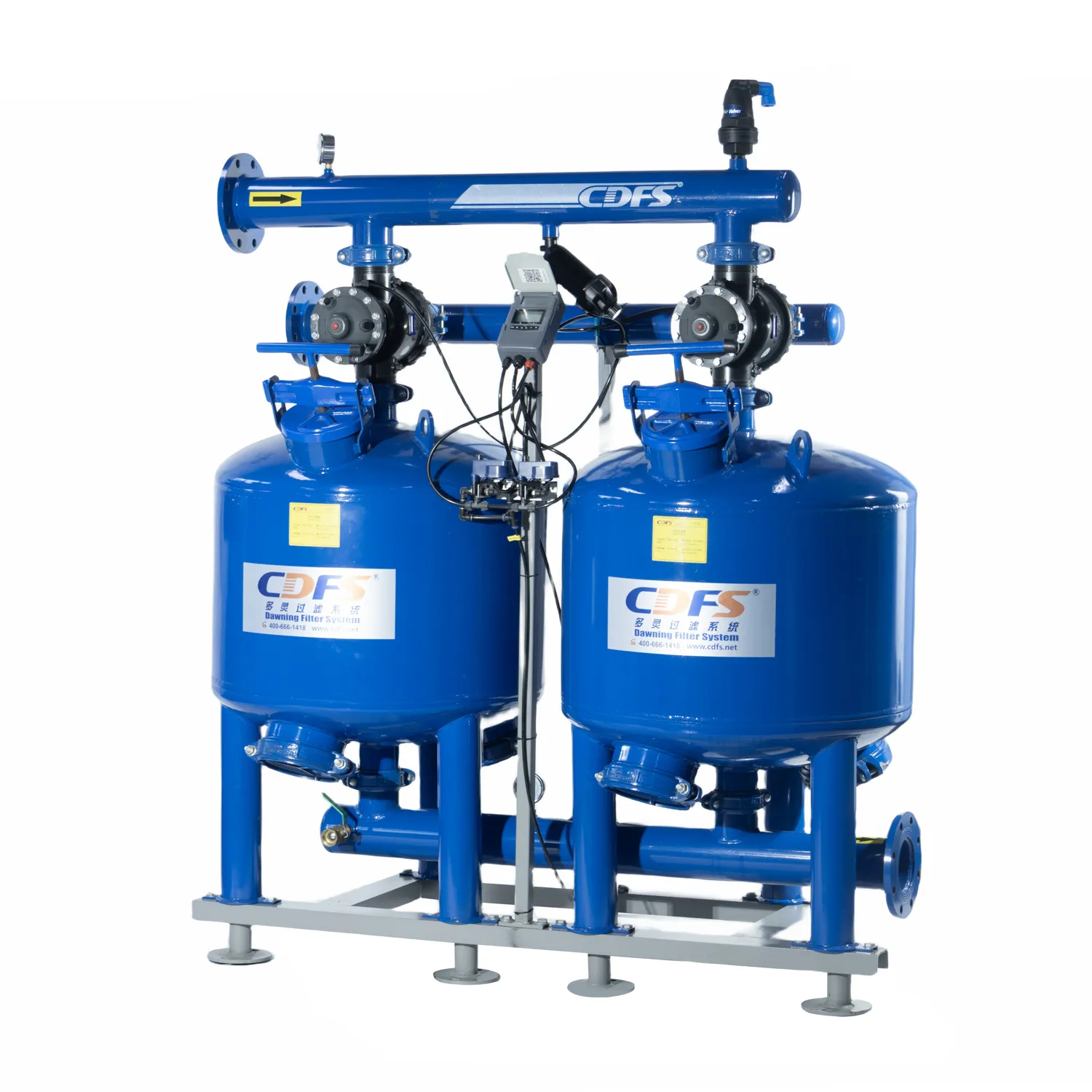
Q: What maintenance requirements are typical for products from an Automatic screen filter factory? A: Products from an Automatic screen filter factory are designed for minimal maintenance due to their automatic cleaning cycles. However, periodic inspections of screen integrity and control systems are recommended to ensure optimal performance and longevity. Q: How do Automatic screen filter factories ensure consistent filtration quality over time? A: Automatic screen filter factories employ automatic backwashing triggered by pressure differentials, which prevents clogging and maintains the filter’s cleaning efficiency. This ensures a consistent filtration quality without frequent manual cleaning. Q: Are Automatic screen filter factory products customizable for different industrial or agricultural needs? A: Yes, Automatic screen filter factory products typically offer customizable screen sizes, housing materials, and control system features to meet diverse requirements across industries such as irrigation, wastewater treatment, and manufacturing. Q: How does the size of an Automatic screen filter factory’s products impact its filtration capacity? A: Larger Automatic screen filter factory products usually have bigger screen surfaces and housings, allowing them to handle higher flow rates and filter larger volumes of water effectively, making them suitable for extensive irrigation or industrial systems. Q: What safety features are integrated into Automatic screen filter factory products? A: Many Automatic screen filter factory products include safety features such as pressure relief valves, fail-safe controls, and corrosion-resistant materials to prevent operational hazards and extend the service life of the filtration units.
I’m impressed by how well this filter intercepts silt. It has significantly reduced maintenance costs and keeps the water clean without affecting pressure.
This media filter softens our irrigation water while removing suspended solids effectively. It prevents blockages and scaling, which has improved overall system reliability.
To protect the privacy of our buyers, only public service email domains like Gmail, Yahoo, and MSN will be displayed. Additionally, only a limited portion of the inquiry content will be shown.
Does the automatic disc filter support multi-stage filtration? We need to protect sensitive equipmen...
Please send price and datasheet for your automatic screen filter, 50–100 m³/h range, mesh <150 mi...



 EN
EN
 FR
FR
 NL
NL
 RU
RU
 AR
AR
 VI
VI
 LO
LO
 RO
RO
 TH
TH
 MY
MY
 MS
MS
 PT
PT
 ES
ES
 KO
KO
 BE
BE
 JA
JA
 FIL
FIL
 KA
KA
 DE
DE
 IT
IT